Sites like Fingerhut: where to buy now and pay later now that Fingerhut has closed
Short answer
Fingerhut stopped new purchases on 2 October 2025. The closest replacements are catalog stores with their own credit accounts, such as Montgomery Ward, Ginny's and Midnight Velvet. For one bigger purchase, PayPal, Affirm and Klarna cost less, and lease-to-own costs the most.
On this page
Fingerhut stopped taking new purchases on 2 October 2025, and fingerhut.com is now only a log-in page for paying off old accounts. The closest sites like Fingerhut are the catalog stores with their own credit accounts: Montgomery Ward, Ginny’s, Seventh Avenue, Midnight Velvet, Country Door and The Swiss Colony. For one bigger purchase, buy now, pay later services such as PayPal, Affirm and Klarna cost less. Lease-to-own companies approve almost anyone, but you pay well over the shop price.
What we checked: on 24 October 2026 Rahul opened fingerhut.com, gettington.com and blair.com from a US connection, and we read each company’s own credit page, terms and help articles, listed under Sources. We didn’t apply for credit anywhere, so nothing here comes from an approval or a decline. Rates and fees are quoted only where the company publishes them.
What happened to Fingerhut?
Fingerhut closed because its owner, Bluestem Brands, wound down its business in August and September 2025. Fingerhut’s closure notice said: “Effective October 2, 2025, Fingerhut Fetti Credit Accounts, issued by WebBank, will no longer be available for new purchases.” New applications had already stopped by August 2025.
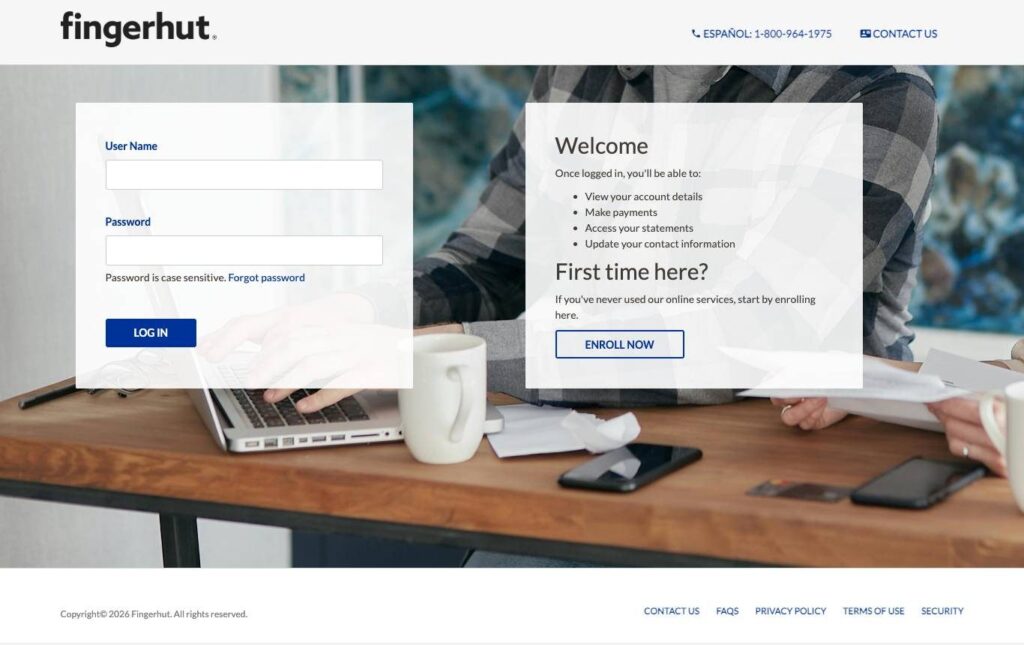
If you still owe money on a Fingerhut account, you have to keep paying. The notice says you’re “still responsible for making minimum monthly payments” until the balance is paid. The account shows as closed with a balance at Equifax, TransUnion and Experian until then. You pay at fingerhut.com, which offers nothing else now: account details, payments and statements.
Fingerhut’s sister sites went with it. When we checked, gettington.com loaded the same Fingerhut log-in page, and blair.com didn’t load at all.
Which stores work most like Fingerhut?
Six catalog stores still sell on their own credit accounts the way Fingerhut did, with small monthly payments and sometimes a down payment.
| Store | Reports to credit bureaus | Monthly payments from |
|---|---|---|
| Montgomery Ward (wards.com) | Yes | $10 |
| Ginny’s | Yes | $10 on purchases up to $100 |
| The Swiss Colony | Yes | $10 |
| Midnight Velvet | Yes | $20 |
| Seventh Avenue | Says on-time payments build credit; bureaus not named | $20 on purchases up to $200 |
| Country Door | Not stated | $20 |
Wards, Ginny’s, Midnight Velvet and Country Door let you prequalify without affecting your credit score. Five of the six say a down payment may be needed, and none publishes an interest rate on its credit page. Colony Brands, the company behind The Swiss Colony, describes its accounts as revolving credit with “market rate interest”, so ask for the rate before your first order.
Montgomery Ward
Wards lends its own money: “Our credit is not issued by or through a national or state-chartered bank.” It reports to the major credit bureaus and charges no annual fee. If you’ve had credit problems or have a short history, Wards may ask you to pay part of your order before it ships. The live store is wards.com, because the old montgomeryward.com address no longer hosts it.
Ginny’s, Midnight Velvet and The Swiss Colony
All three sell on their own store credit and say they report to the major credit bureaus, which matters if you’re trying to rebuild your score. Ginny’s lets you buy up to $100 and pay $10 a month. Midnight Velvet starts at $20 a month and The Swiss Colony at $10. Ginny’s and Midnight Velvet say they charge no annual fee.
Seventh Avenue and Country Door
Seventh Avenue sets your payment by order size: $20 a month up to $200, $25 up to $400 and $30 up to $600. It says it usually decides within 24 hours. Country Door starts at $20 a month with no annual fee, but its credit page doesn’t say whether it reports to the bureaus, so ask before you count on it to build credit.
Stoneberry still sells on credit, going by its 2026 marketing emails, but its site blocked our checks and we couldn’t confirm its terms, so it isn’t in the table.
Buy now, pay later: cheaper for one bigger purchase
Buy now, pay later services split a purchase at thousands of online shops into payments, and their four-payment plans cost nothing if you pay on time. Most use a soft credit check, which doesn’t hurt your score.
| Service | Pay in 4 | Longer plans | Late fees | Reports to bureaus |
|---|---|---|---|---|
| PayPal | Interest-free, $10 to $2,000 | Pay Monthly, 0% to 35.99% APR, $49 to $10,000 | None | Late or missed Pay Monthly payments may be |
| Affirm | 0% APR | 0% to 36% APR, based on credit | None | Yes, to Experian and TransUnion |
| Klarna | Interest-free | Monthly financing through WebBank | Up to $7, capped at 25% of the order | No, for Pay in 4 |
| Afterpay | Interest-free | Pay Monthly | After a grace period of usually 10 days, capped at 25% of the order | No |
| Zip | Through WebBank | Example APR 35.70% | $7 or your state’s lower limit | May report |
PayPal is the safest start if you already use it: Pay in 4 has no interest, no late fees and no sign-up fees. Affirm is the one to pick if you want on-time payments to help your credit, because NerdWallet’s 2026 review says it reports all its pay-later loans to Experian and TransUnion. Afterpay and Klarna’s Pay in 4 don’t report to US bureaus at all, so they won’t help your score either way.
The catch is that you need a store that takes them, and the first payment is taken when you buy or when the order ships. That’s where catalog accounts still win if you can’t put anything down.
Lease-to-own: easiest approval, highest cost
Lease-to-own companies buy the item and rent it to you until you’ve paid enough to own it. They’re not loans, so there’s no APR to compare, and Progressive Leasing says it plainly on its own homepage: “Ownership by rental/lease agreement with Progressive Leasing costs more than the retailer’s cash price.”
- Progressive Leasing looks at credit bureau data but doesn’t need a credit history, and it charges your first payment when you sign.
- Acima asks for an active checking account with at least $750 a month coming in, and three months of income history.
- Snap Finance approves $300 to $5,000, says applying won’t affect your FICO score, and wants income of at least $750 or $1,000 a month, depending on the product.
- Katapult, often seen at Wayfair checkout, charges no late fees. If you buy the item outright within 90 days, its annual report says you pay the cash price plus an average of 5% and fees.
If you use one, plan to buy the item out in the early-purchase window. Letting a lease run its full term is where the cost piles up.
Purchasing Power: ask your employer first
Purchasing Power lets you buy through your job and pay with payroll deductions over 6 to 12 months. One state university system’s benefits page says it has “no credit checks, late fees or other hidden fees”. It only works if your employer offers it, and the employer sets who qualifies, so check your benefits portal before anything else.
Which one should you pick?
If you liked Fingerhut for small monthly payments and rebuilding credit, start with Montgomery Ward. It lends its own money, reports to the bureaus, charges no annual fee and lets you prequalify without a hit to your score. For a single bigger item from a store that takes PayPal or Affirm, use one of those instead, since four on-time payments cost nothing. Leave lease-to-own until the others have said no, and then buy out early.
Are buy now, pay later plans regulated?
Less than they were going to be. In 2024 the US Consumer Financial Protection Bureau said buy now, pay later lenders had to follow the same rules as credit card issuers. On 12 May 2025 it withdrew that rule, and officials said they wouldn’t write a new one. So there’s no federal rule giving Pay in 4 users card-style dispute and refund rights. Your protection comes from each company’s own terms and from states such as New York, which passed its own Buy Now Pay Later Act in 2025.
Frequently asked questions
Is Fingerhut still in business?
No. Fingerhut stopped new purchases on 2 October 2025 after its owner, Bluestem Brands, wound down. Its website only lets existing customers view and pay their accounts.
Do I still have to pay my Fingerhut account?
Yes. Fingerhut says you’re responsible for the minimum monthly payments until the balance is paid, and it keeps reporting the account to the three credit bureaus as closed with a balance.
Is there a site like Fingerhut with no credit check?
Not quite. The catalog stores let you prequalify without hurting your score, and Katapult and Progressive don’t need a credit history, but they still look at credit or income data. No credit check usually means a lease, which costs more than the cash price.
Does Afterpay help build credit?
No. Afterpay says it doesn’t currently report to credit bureaus in the United States, so on-time payments won’t raise your score. Affirm does report, to Experian and TransUnion.
What happened to Gettington and Blair?
Both were Fingerhut’s sister catalogs. In our 24 October check, gettington.com opened Fingerhut’s log-in page and blair.com didn’t load.
What to do now
Open wards.com’s credit page and use the prequalify button, since it won’t touch your score. If you have an old Fingerhut balance, set up its payments at fingerhut.com first: a missed payment there will cost you more than any new account can help.
Sources
- Our check on 24 October 2026 of fingerhut.com, gettington.com and blair.com from a US connection, with screenshots, kept with this guide
- Fingerhut’s closure notice (archived October 2025), Fetti account changes and credit FAQ
- Bring Me The News on Bluestem closing its Eden Prairie headquarters (September 2025)
- Credit pages for Montgomery Ward, Ginny’s, Seventh Avenue, Midnight Velvet, Country Door and The Swiss Colony, plus Colony Brands’ credit programs
- PayPal buy now, pay later and PayPal on credit reporting
- Affirm: how it works and NerdWallet’s 2026 Affirm review
- Klarna Pay in 4 and why Klarna doesn’t report to US bureaus
- Afterpay help on credit checks and late fees
- Zip: how it works and Zip loan terms
- Progressive Leasing, Acima, Snap Finance and Katapult’s 2025 annual report
- University System of Georgia on Purchasing Power
- CFPB on buy now, pay later products and Consumer Finance Monitor on BNPL policy in 2026
Changelog
24 Oct 2026: rewritten after Fingerhut closed to new purchases. It replaces a list first published on 17 March 2018, which pointed readers to Fingerhut and its sister catalogs.